
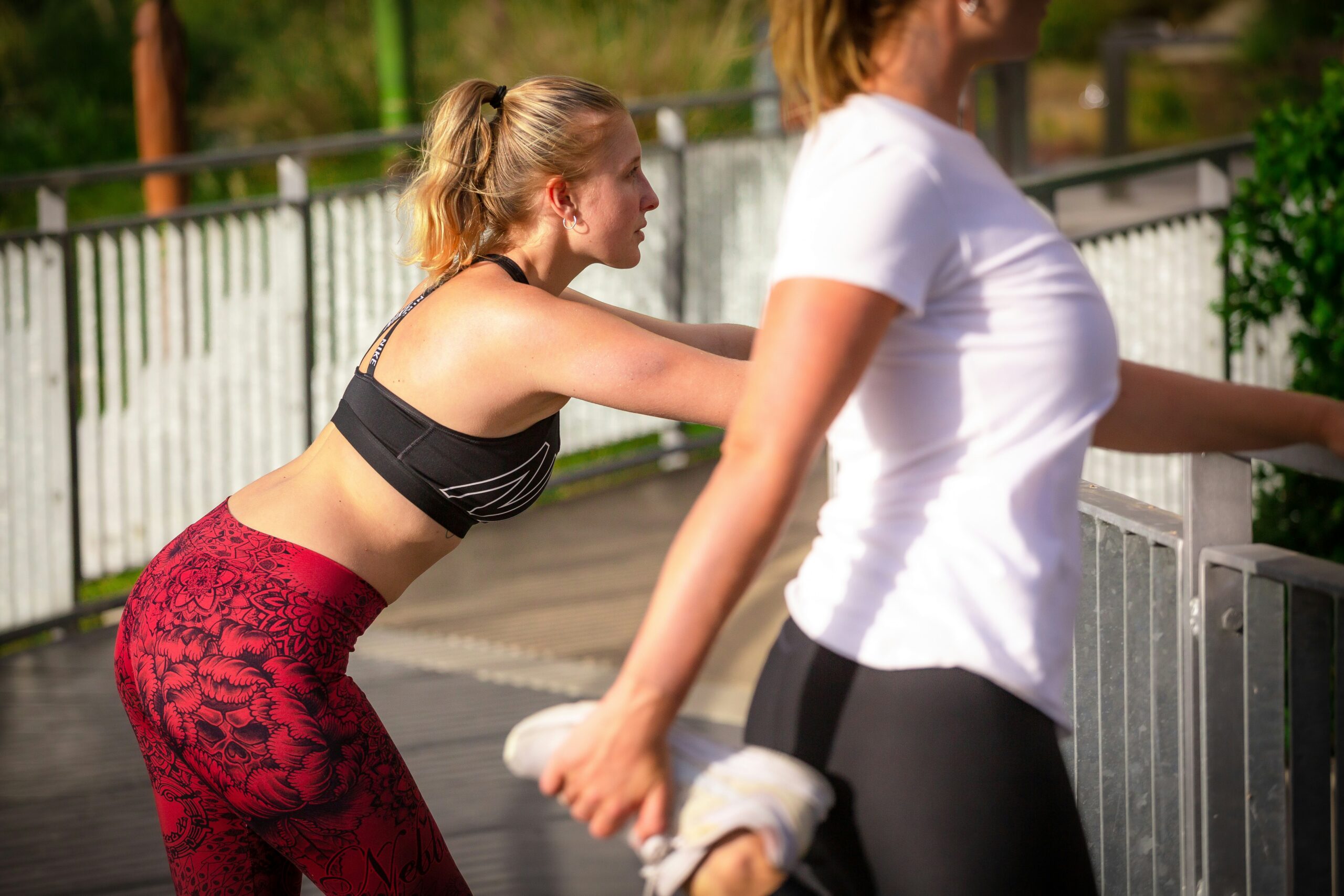
As a yoga instructor, I often encounter questions about the differences between yoga and stretching. While both practices involve extending and lengthening muscles, they are distinct in their approach, purpose, and benefits. Understanding these differences can help you choose the right practice for your needs and enhance your overall wellbeing.
Yoga: A Holistic Practice
Yoga is an ancient practice that originated in India over 5,000 years ago. It encompasses not only physical postures (asanas) but also breathing techniques (pranayama), meditation, and ethical principles. Here are some key aspects of yoga:
- Holistic Approach: Yoga integrates the body, mind, and spirit. It’s not just about physical flexibility and strength but also about mental clarity, emotional balance, and spiritual growth.
- Breathing Techniques: Pranayama, or controlled breathing, is a fundamental component of yoga. Coordinating breath with movement helps increase oxygen flow, calm the mind, and deepen the practice.
- Mindfulness and Meditation: Yoga emphasizes mindfulness, which involves being present and fully engaged in the moment. Meditation practices within yoga promote mental peace, focus, and relaxation.
- Variety of Poses: Yoga includes a diverse range of poses that not only stretch but also strengthen, balance, and align the body. Each pose has specific physical and mental benefits.
- Philosophical Foundation: Yoga is rooted in philosophical teachings that encourage self-awareness, compassion, and a balanced lifestyle. It’s a journey toward self-discovery and inner peace.
Stretching: A Physical Practice
Stretching is a more straightforward physical activity focused on lengthening muscles and improving flexibility. It’s often used as a warm-up or cool-down routine in various fitness regimes. Key aspects of stretching include:
- Targeted Muscle Lengthening: Stretching specifically targets the muscles, aiming to increase their length and flexibility. It’s effective for loosening tight muscles and improving range of motion.
- Simple Movements: Stretching involves relatively simple and isolated movements compared to the more complex sequences in yoga. It can be done quickly and easily without the need for special equipment or space.
- Physical Focus: The primary goal of stretching is physical. It doesn’t typically incorporate the mental, emotional, or spiritual dimensions found in yoga.
- Warm-Up and Cool-Down: Stretching is often used as part of a warm-up to prepare muscles for exercise or as a cool-down to help them relax and recover post-activity.
- Less Structure: Unlike yoga, which has structured sequences and flows, stretching can be more freeform and less guided. It’s about addressing specific areas of tightness or discomfort.
Comparing the Benefits
Both yoga and stretching offer unique benefits, and understanding these can help you integrate them into your fitness routine effectively.
Yoga Benefits:
- Improved Flexibility: Regular practice of yoga significantly enhances flexibility.
- Strength and Balance: Yoga poses build strength and improve balance.
- Stress Reduction: The mindfulness and breathing techniques in yoga reduce stress and promote relaxation.
- Mental Clarity: Meditation and mindfulness practices enhance mental focus and clarity.
- Holistic Wellbeing: Yoga nurtures overall wellbeing, including physical, mental, and emotional health.
Stretching Benefits:
- Increased Flexibility: Stretching directly increases muscle flexibility.
- Improved Range of Motion: Regular stretching helps maintain and improve joint range of motion.
- Muscle Recovery: Stretching aids in muscle recovery post-exercise by reducing stiffness and soreness.
- Injury Prevention: Proper stretching can help prevent injuries by keeping muscles supple and flexible.
- Quick and Convenient: Stretching can be done anytime and anywhere, making it a convenient option for those with limited time.
Conclusion
While yoga and stretching both involve physical movement and flexibility, yoga is a comprehensive practice that encompasses physical, mental, and spiritual elements. Stretching, on the other hand, is a more straightforward, physical-focused activity. Both have their unique benefits and can complement each other well.
If you’re looking for a holistic approach that improves not just your physical flexibility but also your mental and emotional wellbeing, yoga might be the right choice for you. If you need a quick and effective way to increase flexibility and aid muscle recovery, stretching is an excellent option. Ideally, incorporating both into your routine can provide a balanced approach to fitness and wellbeing.