
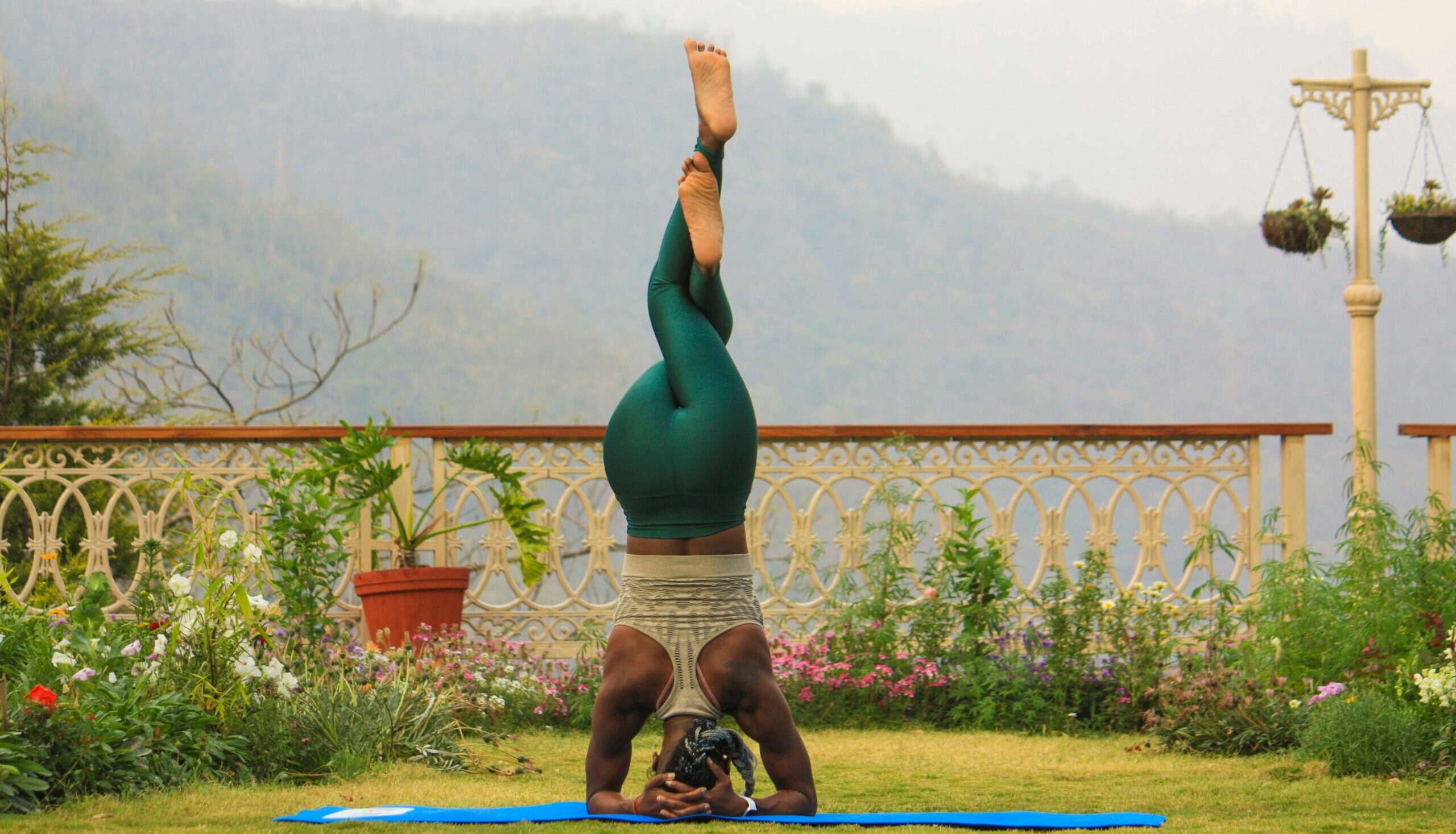
Yoga is a fantastic practice that offers numerous physical and mental benefits, from improved flexibility and strength to stress relief and enhanced mindfulness. However, like any good thing, too much of it can sometimes lead to negative consequences. It’s essential to strike a balance in your yoga practice to ensure you reap the rewards without pushing your body too far. In this blog, we’ll explore signs that you might be doing too much yoga and offer guidance on finding the right balance.
Physical Exhaustion
One of the most apparent signs that you might be overdoing yoga is physical exhaustion. While yoga is intended to energize the body and mind, excessive practice without adequate rest can lead to fatigue. Pay attention to how your body feels during and after your yoga sessions. If you constantly feel drained or experience persistent muscle soreness, it might be a sign that you need to scale back your practice.
Lingering Muscle Soreness
Feeling sore after a challenging yoga session is normal, especially if you’ve pushed your limits a bit. However, if you find that the soreness persists for an extended period or if you’re experiencing pain beyond the usual muscle discomfort, it could be an indication of overtraining. Listen to your body, and if needed, give yourself more time to recover between sessions.
Emotional Burnout
Yoga is not just a physical practice; it also involves mental and emotional well-being. If you start feeling emotionally drained, irritable, or find it challenging to stay present during your practice, you may be doing too much. Remember that yoga should bring you joy and peace, not emotional exhaustion.
Plateau in Progress
While consistency is key to progress in yoga, an excessive routine without proper variation can lead to a plateau in your development. If you notice that your flexibility, strength, or overall performance has hit a standstill, it may be time to reassess your routine. Introduce new poses, styles, or modifications to challenge your body in different ways and stimulate further growth.
Neglecting Other Areas of Fitness
Yoga is a fantastic form of exercise, but it’s crucial to maintain a well-rounded fitness routine. If your yoga practice is taking up all your workout time, you may be neglecting other essential aspects of fitness, such as cardiovascular exercise, strength training, or flexibility work targeting specific muscle groups. Ensure you create a balanced routine that addresses all aspects of your physical health.
Finding the Right Balance
If you recognize any of the signs mentioned above, it’s time to reevaluate your yoga practice and make adjustments. Here are some tips to help you find the right balance:
- Rest and Recovery: Ensure you incorporate rest days into your weekly routine to allow your body to recover fully.
- Variety: Explore different styles of yoga and incorporate variety into your practice to keep things fresh and challenging.
- Listen to Your Body: Pay attention to how your body responds to your practice. If you feel fatigued or experience pain, take a step back and adjust your routine accordingly.
- Cross-Training: Integrate other forms of exercise to complement your yoga practice and maintain overall fitness.
- Mindfulness: Practice mindfulness not only on the mat but also in your approach to your overall well-being. Be aware of your body’s signals and adjust your routine accordingly.
Conclusion
Yoga is a powerful tool for physical and mental well-being, but it’s crucial to practice it mindfully. If you suspect you might be doing too much, listen to your body, be attentive to your emotions, and make necessary adjustments. Striking the right balance will ensure that your yoga practice continues to be a source of joy, growth, and overall health.